
Insights — Channel Creation & New Revenue Streams — 3 min read
Can a Wholesaler Successfully Sell Direct to Consumers?
Wholesalers are uniquely positioned for D2C because they already hold the inventory. The challenge is not supply—it is the shift from bulk logistics to brand marketing.
In short
A wholesaler can successfully sell D2C by leveraging their existing inventory and logistics scale to offer competitive pricing and fast delivery, provided they build a distinct consumer brand and manage the resulting channel conflict with their trade customers. Success requires investing in digital marketing and B2C-grade customer service—functions that are typically absent or under-resourced in a traditional wholesale business.
Wholesalers sit in a powerful position. They have the inventory, the relationships with manufacturers, and the logistical infrastructure. For years, their role was to be the 'middleman'. But as digital platforms have removed the barriers between stock and consumer, many wholesalers are asking: why are we stopping at the trade counter?
Selling D2C as a wholesaler is a logical evolution, but it requires a complete rethink of your value proposition. You are no longer selling 'stock availability' to a trade customer; you are selling 'product experience' to a consumer.
The Wholesaler's Competitive Advantage
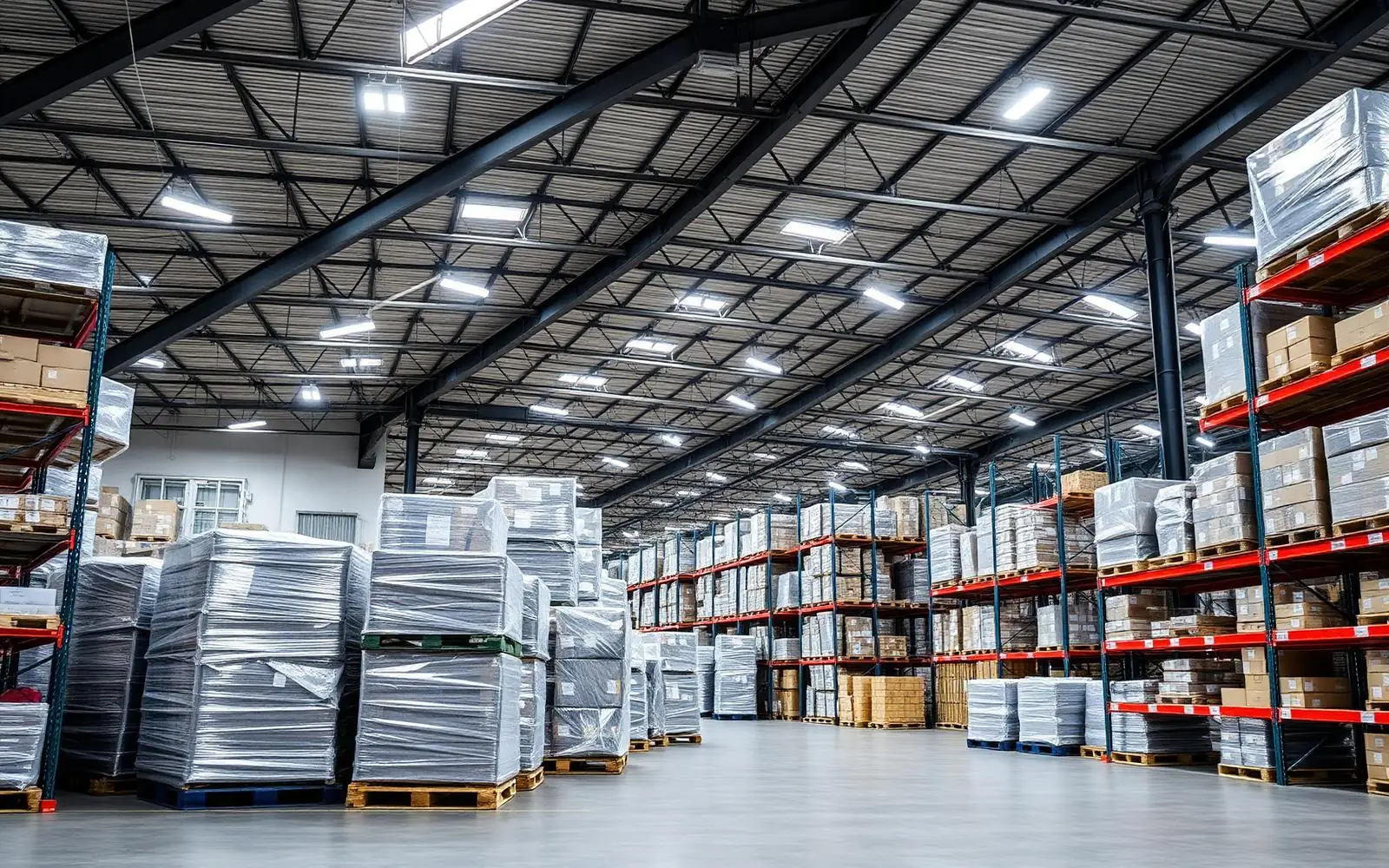
Unlike a startup, a wholesaler has two huge advantages: stock and scale. You already have the products in a warehouse, and you likely have better shipping rates than any new entrant. This allows you to be more aggressive on pricing or to offer 'free delivery' more sustainably than a pure D2C competitor.
The 'Trade Counter' Mindset Trap
The biggest barrier is often cultural. Wholesale is built on 'Trade Enquiries Welcome' and long-term relationships. D2C is built on 'One-Click Buy' and instant gratification. If your D2C customers have to wait for a 'quote' or if your website looks like an 80s inventory list, they will go elsewhere. A wholesaler must build a consumer-facing 'front end' that matches the best in retail.
Navigating the Trade Conflict
Your trade customers (retailers) are your current bread and butter. If they see you selling the same product to their customers at a lower price, they will stop buying from you. Wholesalers must navigate this by: 1. **Differentiating the range:** Selling different brands or 'bundle' packs D2C. 2. **Maintaining Price Parity:** Ensuring the D2C price doesn't undercut the RRP that retailers need to survive. 3. **Using a different brand name:** So the connection isn't immediately obvious to the casual shopper.
Operational Readiness
Wholesale logistics are designed for heavy items and palletised deliveries. D2C requires the ability to pick a single bolt, put it in a padded envelope, and track it via a courier. If your warehouse staff treat a D2C order like a 'small trade order', it will be deprioritised and the customer will be unhappy. The Evans Managed Channel Growth service (£1,995 + VAT/month) helps wholesalers build the processes to handle this new volume efficiently.
Could your business support another route to revenue?
Evans Channel Creation identifies, validates and builds additional revenue channels from capabilities a business already has — B2B to D2C, D2C to B2B, product to service, recurring revenue or partners — and says so plainly when a channel should not be built. Programme from £1,995 + VAT per month over six months.
Related services