
Insights — Channel Creation & New Revenue Streams — 3 min read
How to Create Revenue from Distribution Capability
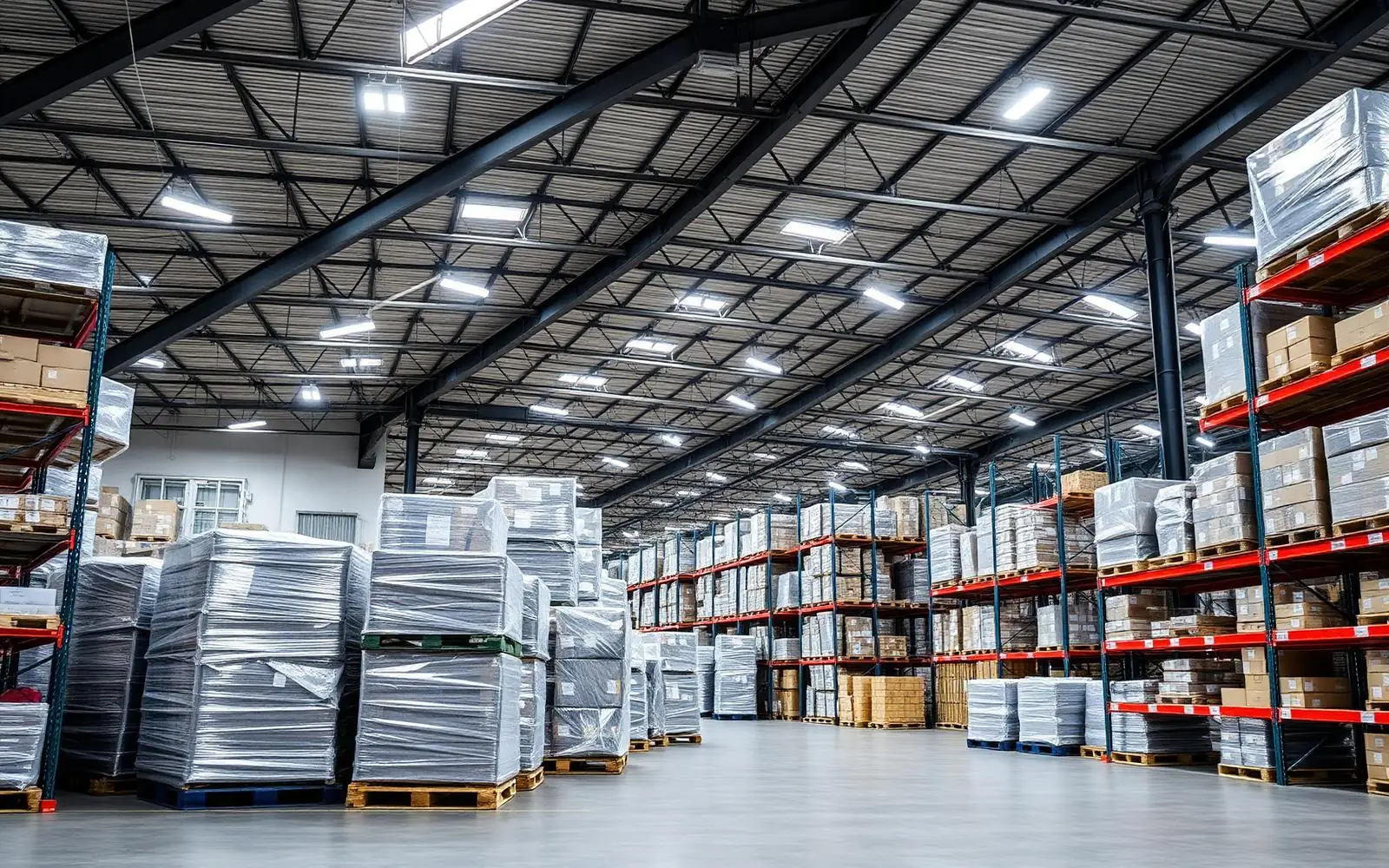
If your vans are running half-empty or your warehouse has empty racks, you are losing money. Commercialising that capacity can fix it.
In short
To create revenue from distribution capability, you must identify 'dead space' in your warehousing and 'empty miles' in your transport routes, then package these as a service for non-competing businesses. By offering storage, picking, packing, and delivery to third parties, you can offset your fixed logistics costs and turn a cost centre into a profit centre.
For many manufacturing and wholesale businesses, distribution is a necessary cost—a burden of trucks, drivers, and warehouses that must be managed. However, a robust distribution network is a significant barrier to entry for many smaller firms. What is an 'overhead' to you is a 'service' to them.
Commercialising your distribution capability involves selling your spare capacity to other companies. This isn't just about 'renting a corner of the warehouse'; it's about providing a professional third-party logistics (3PL) service using the infrastructure you already pay for.
The Economics of 'Empty Miles'
Every time a truck returns to base empty, or a warehouse rack sits vacant, you are paying for an asset that is providing no return. The 'marginal cost' of filling that truck or rack is very low, but the 'marginal revenue' is pure profit.
This is a classic 'Asset Commercialisation' strategy. You are taking a physical asset that you require for your core business and finding a new channel for it.
Commercial Reasoning: The Six Pillars
1. Revenue
The revenue is generally 'transactional' (per pallet, per delivery). It can be significant if you have a niche capability, such as refrigerated transport or specialist handling of fragile building products. It helps to 'smooth' your own seasonal peaks by finding partners with different cycles.
2. Margin
The margin depends on how you account for it. If you view the infrastructure as 'paid for' by your core business, the margins on the third-party work are very high. However, if you have to hire more drivers or buy more trucks, the margins can quickly disappear.
3. Cash
Distribution is a capital-intensive business. Commercialising your capability can help pay for the leases on your vehicles and the rent on your premises, significantly improving your cash flow stability.
4. Capacity
You must be careful not to sell capacity you might need for your own customers. If a third-party contract prevents you from delivering your own goods during a peak period, the cost of lost sales will far outweigh the distribution revenue.
5. Complexity
This is a high-complexity move. You need systems to track third-party inventory (WMS), manage different delivery SLAs, and handle billing. You also need to manage the 'people' complexity: your drivers are now representing multiple brands.
6. Risk and Brand
There is a risk to your core service levels. There is also a risk of brand confusion—if your van is branded with your name but delivering a competitor's (or a low-quality brand's) product, what does that say about you? Finally, there is the risk of liability for damage to third-party goods.
Validate Before You Build
Start by 'sub-letting' a small, defined area of your warehouse to a single partner on a month-to-month basis. Use your existing team and simple spreadsheets. If you can manage their inventory without errors for three months, you have the operational discipline to scale.
Check the Growth Route Finder to see if logistics-led growth aligns with your wider business model.
When NOT to Commercialise Distribution
- "**When your own service is struggling:** If you are already late with your own deliveries, do not add more complexity. Fix your core first."
- "**When the goods are incompatible:** Do not store food near chemicals. Do not store heavy building materials near delicate electronics."
- "**When you lack insurance:** Your existing transit and warehouse insurance likely only covers *your* goods. You must upgrade your cover before taking on third-party work."
Three Tiers of Commercialisation
- "**Tier 1: Basic Warehousing.** Renting space to a partner who manages their own stock. Low complexity, low margin."
2. **Tier 2: Fulfilment (3PL).** Picking, packing, and shipping their goods using your staff. Medium complexity, medium margin.
3. **Tier 3: The 'White Label' Network.** Acting as the entire back-end for another brand, including handling their returns and customer service. High complexity, high margin.
Could your business support another route to revenue?
Evans Channel Creation identifies, validates and builds additional revenue channels from capabilities a business already has — B2B to D2C, D2C to B2B, product to service, recurring revenue or partners — and says so plainly when a channel should not be built. Programme from £1,995 + VAT per month over six months.
Related services