
Insights — Channel Creation & New Revenue Streams — 3 min read
How to Create a Wholesale Channel for Your E-commerce Business
Transitioning from a purely D2C e-commerce model to a wholesale provider requires more than just a volume discount. It requires a shift in operations, pricing, and mindset.
In short
To create a wholesale channel for an e-commerce business, you must move beyond simple volume discounts and build a dedicated B2B proposition. This involves setting clear wholesale pricing tiers that protect your D2C margin, establishing Minimum Order Quantities (MOQs) that justify the lower price point, and creating a separate ordering process for trade customers. Success depends on testing the economics of larger, less frequent orders against the increased complexity of trade terms, credit management, and B2B customer service.
For many D2C e-commerce brands, wholesale feels like the natural next step. You have a product that people like, a brand that resonates, and a supply chain that works. Adding a 'wholesale' tab to your website seems like an easy win. But a genuine wholesale channel is not just a high-volume version of your existing shop; it is a different business model entirely.
The transition requires a disciplined approach to Channel Creation. You are moving from managing thousands of individual transactions to managing a handful of high-value relationships. The economics, the logistics, and the communication needs all change. If handled poorly, wholesale can cannibalise your D2C margins and create operational chaos. Handled correctly, it provides scale and stability that D2C alone often lacks.
The fundamental shift: D2C vs Wholesale
In D2C, you are a retailer. You manage customer acquisition costs (CAC), shipping to individuals, and one-to-one customer service. In wholesale, you become a supplier. Your 'customers' are other businesses who have their own customers to worry about. They aren't just buying your product; they are buying a margin opportunity.
| D2C Focus | Wholesale Focus |
|---|---|
| Individual customer experience | B2B buyer reliability and ease of ordering |
| Marketing to end-users | Equipping retailers to sell your product |
| Instant payment at checkout | Trade credit and payment terms |
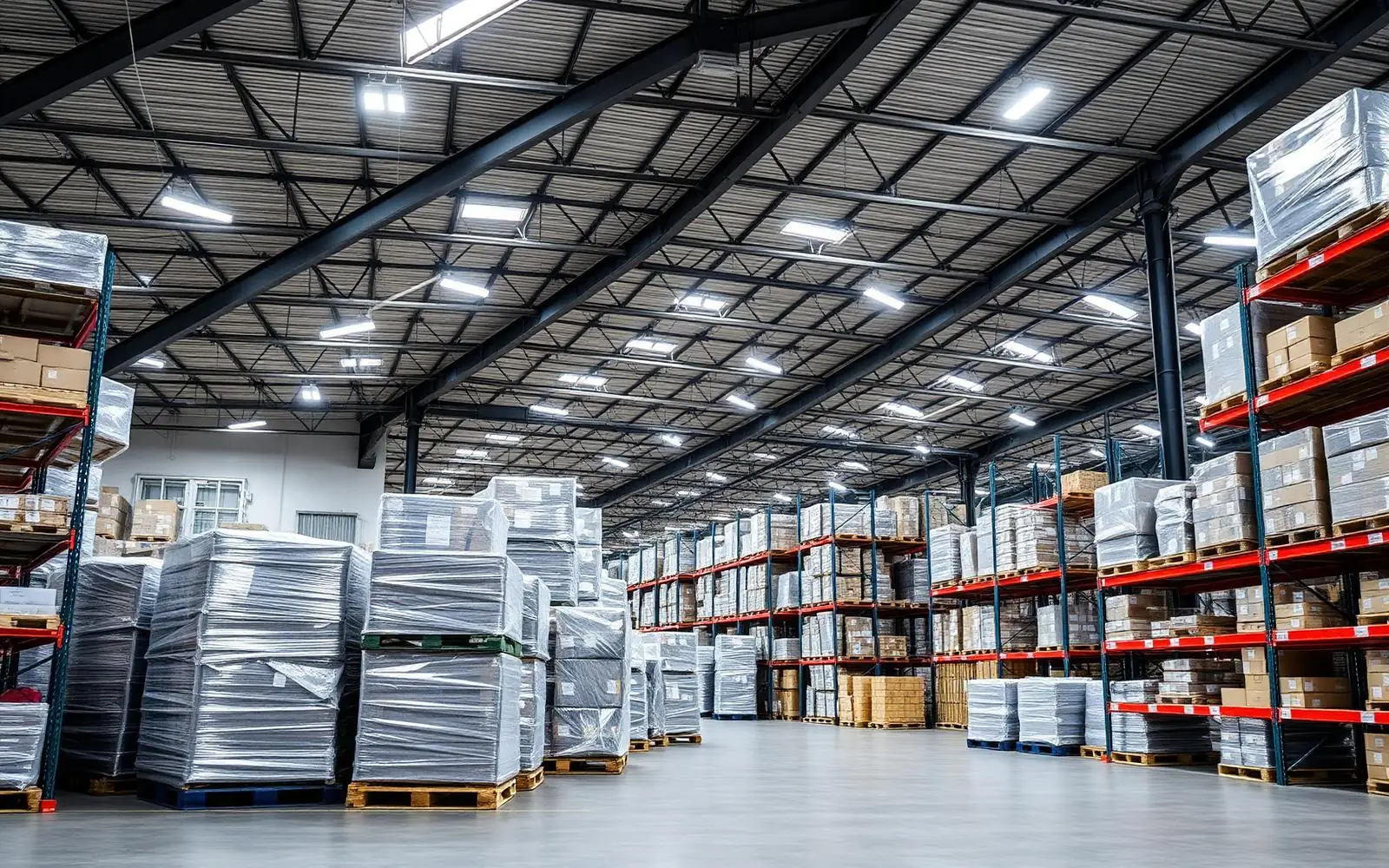
| Small, frequent shipping | Palletised or bulk logistics |
| High margin, low volume | Lower margin, high volume |
The risks of 'casual' wholesale
The biggest mistake e-commerce brands make is treating wholesale as an afterthought. They might give a 20% discount to anyone who asks for more than 10 items. This is not wholesale; it is just a bulk discount, and it rarely accounts for the true cost of service. A genuine wholesale strategy considers the impact on your D2C brand — specifically, whether your wholesale partners will end up competing with you on price in the same digital spaces.
Operational requirements for wholesale
Building the channel means building the infrastructure. This includes a B2B portal or a simplified way for trade customers to order without using the retail checkout. You also need to address credit terms — many retailers expect to pay on 30-day terms, which has a massive impact on your cash flow if you are used to getting paid instantly by Stripe or Shopify.
Evans' Managed Channel Growth (from £1,995 + VAT/month) helps businesses manage this transition, ensuring the infrastructure and the commercial terms are robust enough to scale without breaking the core business.
Could your business support another route to revenue?
Evans Channel Creation identifies, validates and builds additional revenue channels from capabilities a business already has — B2B to D2C, D2C to B2B, product to service, recurring revenue or partners — and says so plainly when a channel should not be built. Programme from £1,995 + VAT per month over six months.
Related services